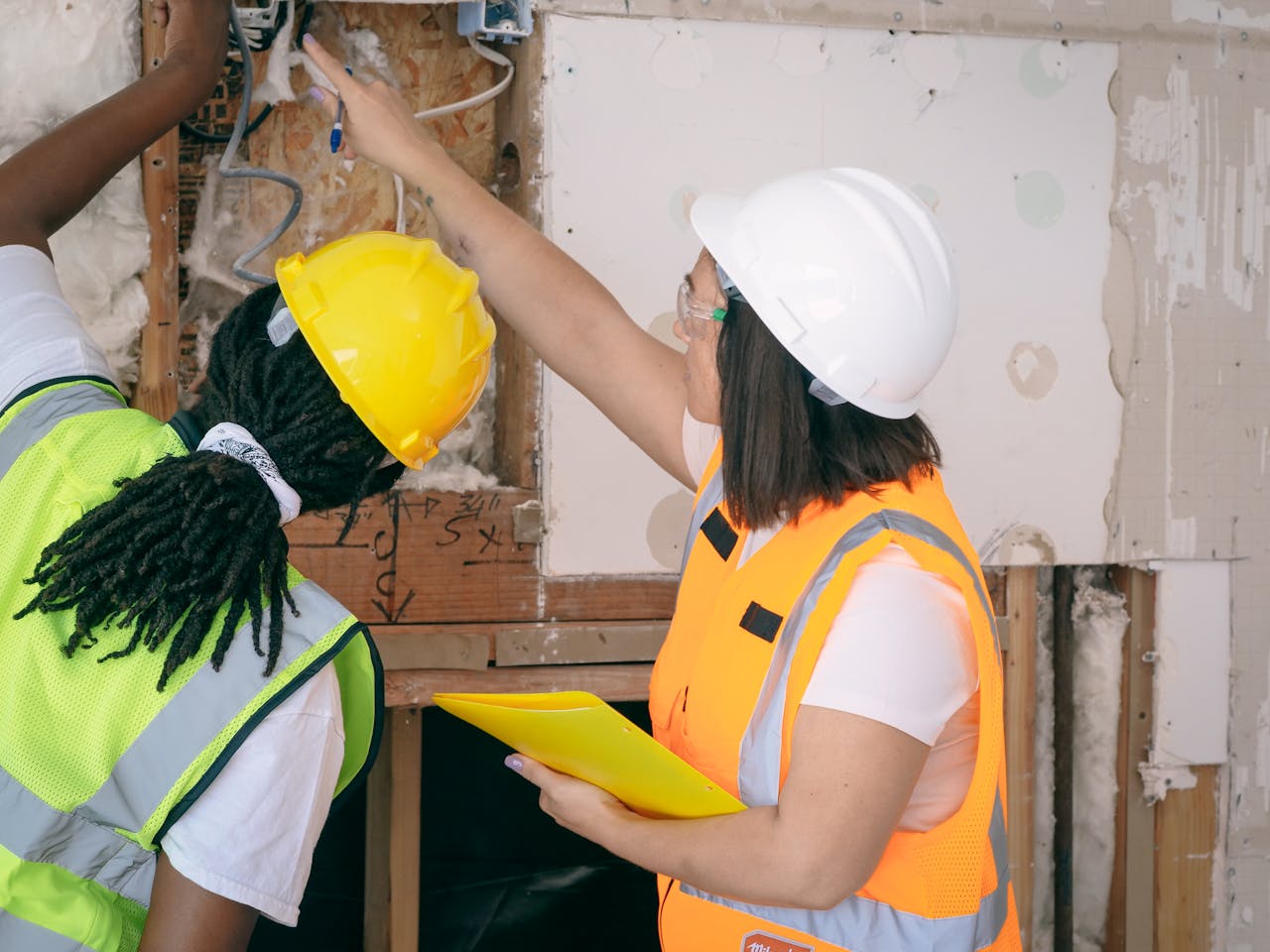
Fiber optic work encompasses a wide range of activities related to the installation, maintenance, and repair of fiber optic cables and networks.
This involves deploying fiber optic cables for various applications, both indoors and outdoors.
Key considerations and steps include:
Determining the route, required cable length, and potential obstacles.
Avoiding excessive bending, twisting, or pulling forces on the delicate fibers. Always pull on the strength members of the cable, not the fibers themselves. Adhere to the cable's minimum bend radius and maximum pulling load.
Installing cables through conduits, innerducts, cable trays, or by direct burial or aerial methods. Proper support and management are crucial.
Using appropriate techniques and lubricants to install cables, especially over long distances or through conduits. Blowing cable with compressed air is often preferred for longer runs.
Implementing safety measures to protect the cables and the installers.
This is the process of connecting the ends of fiber optic cables to equipment or other cables.
There are two main methods:
Attaching connectors (e.g., LC, SC, ST) to the fiber ends, allowing for easy connection and disconnection. This often involves epoxy and polishing or the use of pre-terminated connectors.
Joining two fiber optic cables together permanently. This is often preferred for long-distance runs or repairs as it typically results in lower signal loss and back reflection compared to connectors.
Fiber optic cable splicing is the process of joining two fiber optic cables together to create a continuous optical path for data transmission.
There are two primary methods for splicing:
This method uses heat (usually from an electric arc) to melt and fuse the ends of two optical fibers together, creating a continuous connection with very low loss. It requires specialized equipment called a fusion splicer.
Steps: Fiber stripping, cleaning, cleaving (precision cutting), aligning, fusing, and protecting the splice with a heat-shrink sleeve.
This method aligns two cleaved fiber ends using a mechanical alignment device and an index-matching gel to allow light to pass with minimal loss. It's a faster and less expensive method but typically has higher loss and reflection than fusion splicing.
Ensuring the integrity and performance of fiber optic cables and networks is crucial.
Common tasks include:
Verifying an unbroken path of light through the fiber.
Measuring the strength of the light signal at different points.
Using an OTDR to analyze the fiber for faults, breaks, splices, and bends by sending light pulses and measuring the backscattered light.
Measuring the signal attenuation and reflections in the fiber optic link.
Identifying and resolving issues such as breaks, high loss, or faulty connections.
Fiber optic network maintenance involves regularly inspecting, testing, and repairing fiber optic cables and equipment to ensure optimal performance and minimize downtime.
Keeping fiber optic connectors clean from dust and contaminants is critical to prevent signal loss.
Checking for any physical damage or degradation.
Periodically testing the network to ensure performance standards are maintained.
Maintaining accurate records of cable routes, connections, and test results.